Why No Ad Platform Will Ever Allocate Your Budget Across Channels
Every ad platform now has an AI agent. So won't one of them eventually allocate your budget across channels? No. Three structural forces—incentives, data, and measurement—make cross-platform allocation the one job that cannot live inside a platform. Here's why, and where it has to live instead.
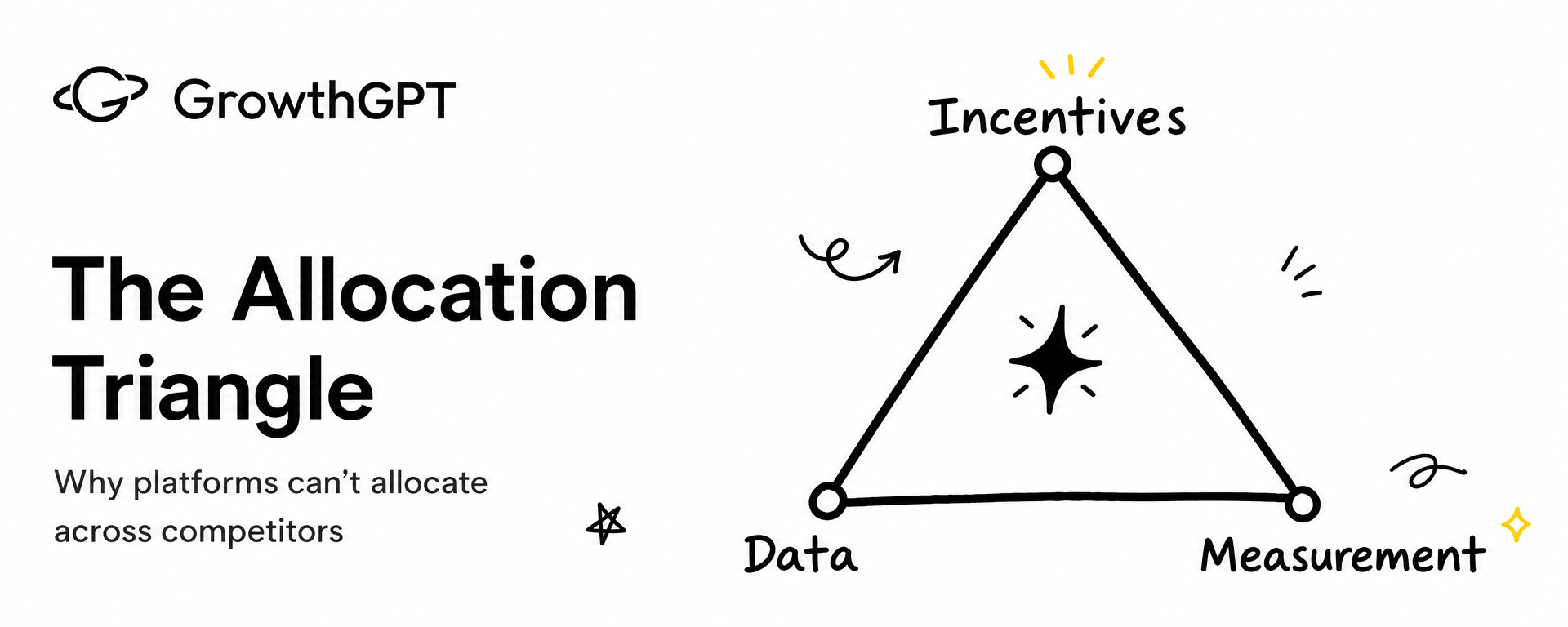
TL;DR: No ad platform will ever allocate budget across competing channels on your behalf. Honest allocation requires incentive neutrality, a shared data language, and independent measurement—and platforms structurally fail all three. Allocation has to sit above the platforms, in a layer aligned with the buyer rather than the seller.
Now that every platform has launched its own AI agent, it's tempting to assume one of them will eventually allocate your budget across channels for you.
It won't—and the problem is not that the technology isn't ready.
Three structural forces make cross-platform allocation impossible from inside a platform: incentives, data, and measurement. Call it the allocation triangle. On all three sides, the platform is on the wrong side of the table by design. Allocation is the one job that has to live above the platforms, in something aligned with you rather than with them.
Why this suddenly matters
Five years ago, no one was asking this question. No one expected Meta to help you spend on Google, or TikTok to understand your Amazon sales. Each platform was a walled garden you operated manually, and that was the deal.
Once every platform ships an AI agent, though, the question changes. People stop asking, "Can it optimize my campaigns?" and start asking, "Can it optimize everything?" That sounds like the natural next step. It isn't. It's a different job entirely—and it's the one job no platform can take on.
Every platform has an agent now. So who does allocation?
In recent weeks, every major platform has pushed an agent layer deeper into ad operations: Amazon's Ads MCP Server, Google's Ads MCP Server, Meta's Ads AI Connectors, and TikTok's Agentic Hub.1234
The operational grind of running campaigns is genuinely moving to agents.
So the next thought is completely reasonable: TikTok has an agent, Meta has an agent, Google has an agent—surely one of them will tell me where the next dollar should go.
That's a perfectly rational expectation. It's also structurally impossible. Not "not yet." Not "once the models get better." From that position, never.
What allocation actually requires
Let's be precise about the job. Allocation is not campaign optimization. Allocation is deciding where the marginal next dollar should go across channels. Should you scale TikTok right now, or would that dollar earn more on Google?
To answer that honestly, you need something that is three things at once: omniscient (it can see every platform), neutral (it has no stake in which platform wins the dollar), and aligned to your total outcome (it optimizes your blended result, not one platform's revenue). That's the allocation triangle—and a platform agent fails all three sides by design.
Reason 1: Incentives
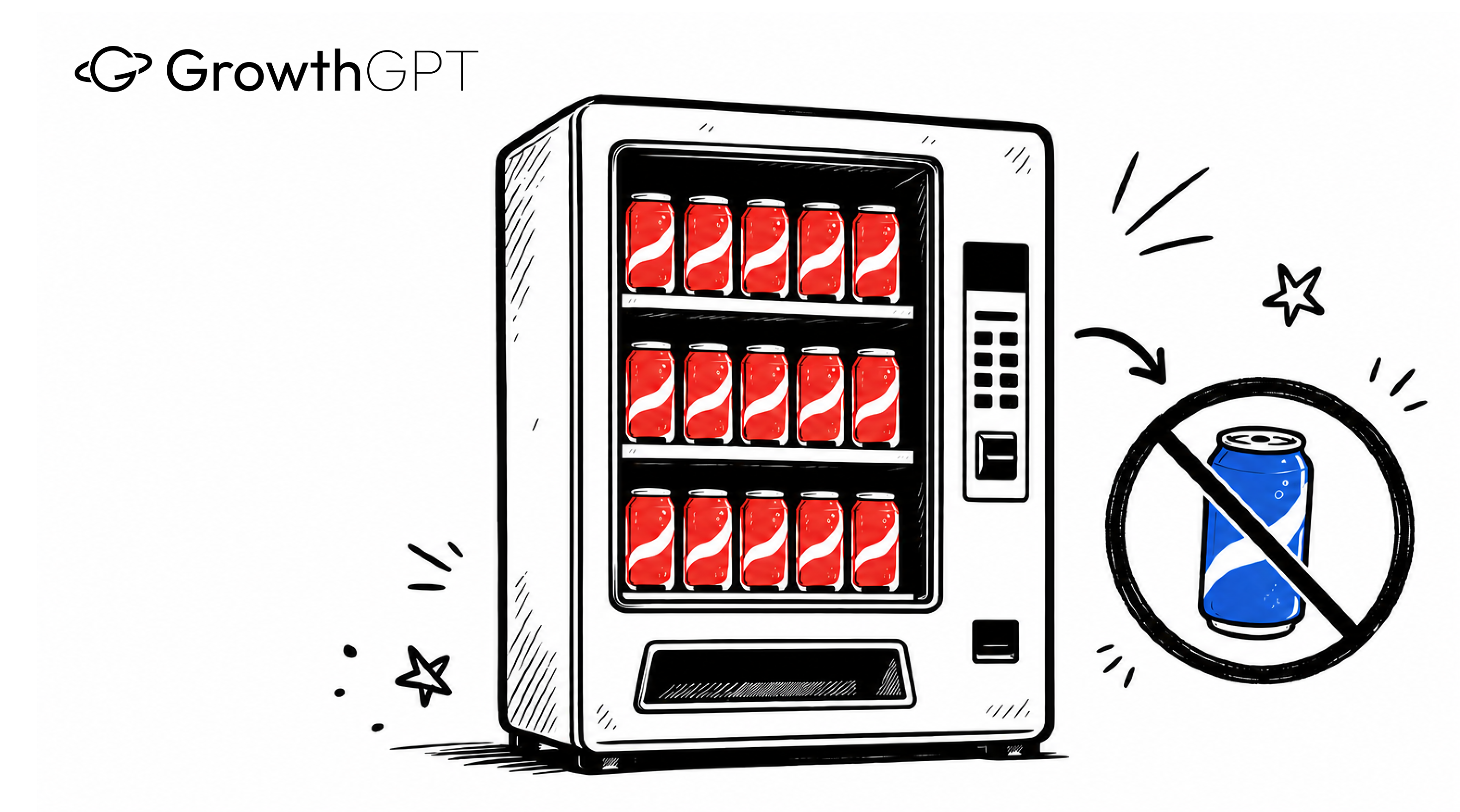
A platform agent exists to grow your spend on that platform. That's the metric. That's the job. That's the reason it exists.
Now imagine it doing real allocation. On some Tuesday, it would have to look at your account and say: "Your money will work harder on a competitor this week. Move 20% off us."
No platform will ever build an agent that says that—not out of malice, but because it would be structurally self-defeating. You don't ask the Coca-Cola machine to recommend Pepsi.
A platform will never tell you to spend less on itself. That sentence alone explains why allocation cannot live inside a platform.
Reason 2: There is no shared language for the data
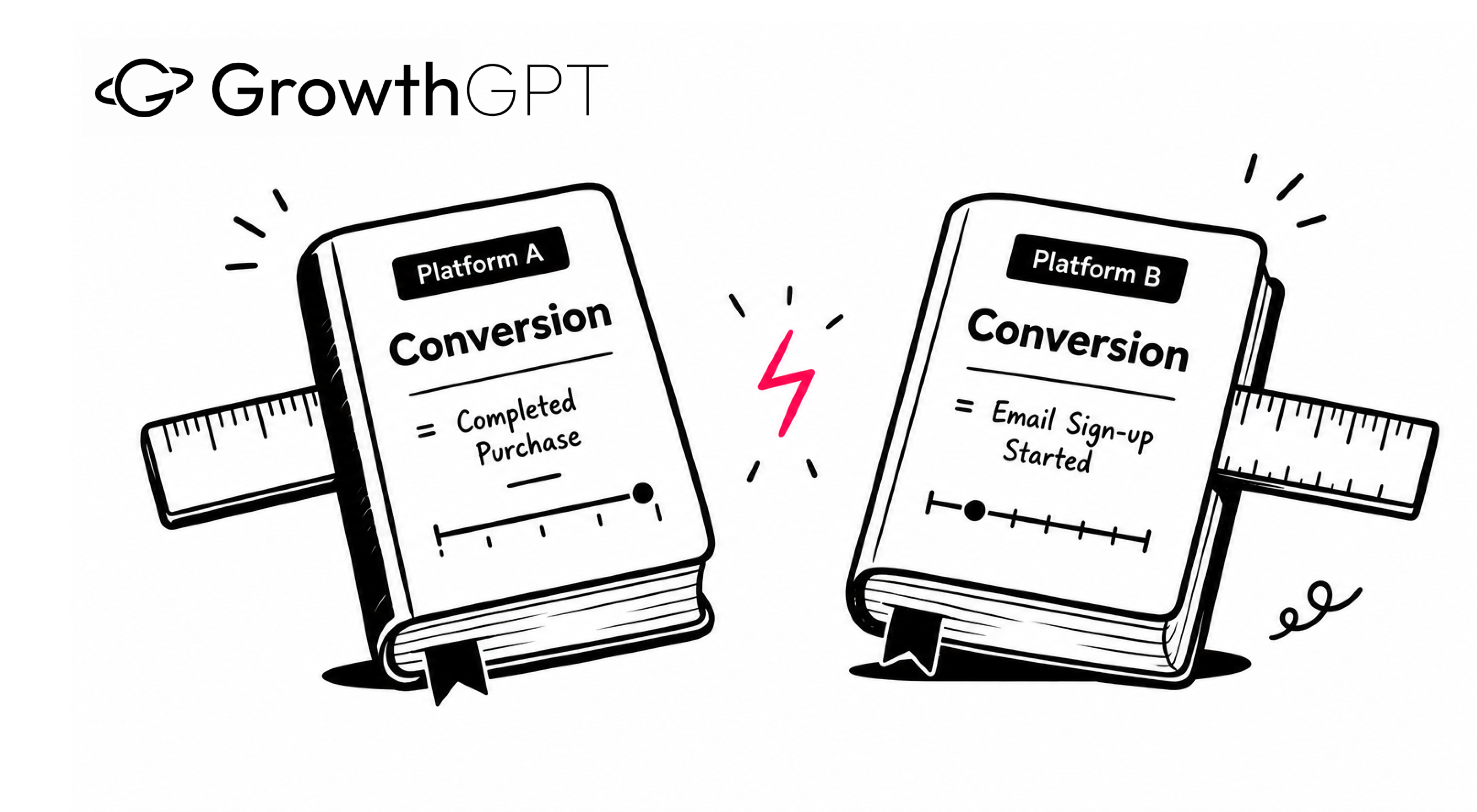
The surface-level version of this argument is that platforms can't see one another's data. That's true, but it's not the deepest problem. Even if Google could see your TikTok numbers, it still couldn't trust them.
Why? Because there is no shared language. The same word can mean different things: TikTok's "conversion" and Google's "conversion" can use different attribution windows, different models, click-through versus view-through logic, and different handling of delayed conversions. Put the numbers side by side and you're not comparing performance—you're comparing two dialects that happen to use the same vocabulary.
Allocation needs one honest ruler. Platforms don't share one, and they have no reason to agree on one.
Reason 3: Every platform grades its own homework
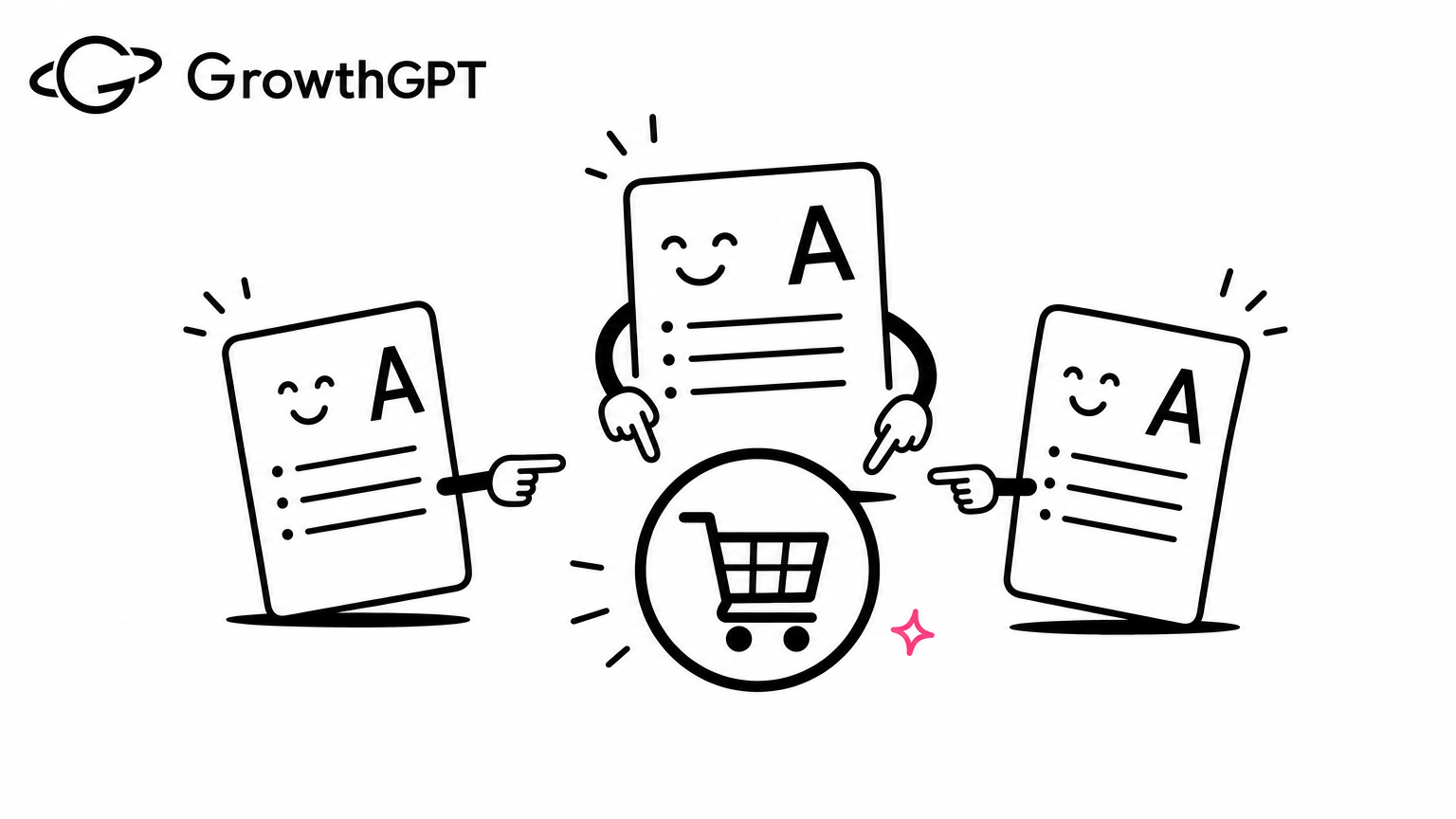
Even inside its own walls, a platform is not a neutral narrator of its results. Every platform grades its own homework—and, unsurprisingly, gives itself an A.
If a customer sees your ad on three platforms and then buys, all three platforms claim the sale. Add up each channel's self-reported ROAS and you've suddenly "generated" more conversions than actually happened. That's why every dashboard says it's winning. Independent measurement and incrementality testing exist precisely because platform-reported numbers are not a neutral surface for allocation.
If you allocate on top of metrics where everyone is the hero, you're not really allocating—you're letting your dashboards market back to you.
(We unpacked this in a full piece: Platform-Reported ROAS Is Lying to You — why platform-reported ROAS systematically overstates each channel's contribution.)
"But won't a neutral third party do it?"
Walk through the candidates quickly. Platforms have the wrong incentives and only part of the data. Agencies bring their own conflicts—media rebates, preferred-partner arrangements—and typically operate on reporting cycles, not live execution. Read-only dashboards can show you the gap, but they can't move money.
Agencies advise. Dashboards observe. Platforms compete. None of them reallocates.
The only party structurally capable of allocating your budget is one that works for you: it sees every platform, profits from none of them, and can actually move the budget. By definition, that has to sit above the platforms.
Where allocation has to live
This is the quiet conclusion of the entire agent wave. Platforms are racing to own execution—and they should. That's real value. But the more completely they automate execution, the more clearly they reveal the one thing they can never provide: a referee on your side. And no one should referee a game they profit from winning.
That referee has to be a buyer-aligned layer that sits above the platform agents and uses them. It gives you the two things a platform structurally cannot: a platform-neutral view of performance across Meta, Google, and TikTok in one place, and an execution layer with no commission and no stake in where your budget lands—so the action you choose gets carried out consistently across platforms, without a house edge.
That's what we're building at GrowthGPT. You make the allocation decision with a clear, unbiased picture; the layer gives you that picture and executes across platforms, previewing every change before it goes live. It doesn't quietly move your money for its own benefit. That's the point: it works for you, not for the platforms.
The bottom line
Every platform will build you an agent. None of them will build you a referee.
Platforms compete for your spend. Someone has to compete for your outcome.
FAQ
Will Google or Meta ever do cross-platform budget allocation for me? Within their own ecosystems, they optimize aggressively (Performance Max, Advantage+). Across to a competitor, no—a platform has no incentive to move your money off itself, and no trustworthy view of your performance on rival platforms. Cross-platform allocation is structurally outside what a platform can offer.
What's the difference between budget optimization and budget allocation? Optimization improves performance within a platform (bids, placements, audiences). Allocation decides how much each platform should get in the first place. Platforms are built to optimize; allocation is the cross-platform decision that sits above them.
Isn't Performance Max or Advantage+ already "allocation"? It's intra-platform allocation—distributing budget across placements and audiences within Google or Meta. Useful, yes. But it is not the same as deciding whether Google or TikTok deserves the next dollar. That decision spans platforms.
Is there software that allocates ad spend across platforms? No platform-owned tool can do it neutrally, for the reasons above. The only structurally honest place for cross-platform ad-spend allocation is a buyer-aligned layer that sits above the platforms, sees all of them, and has no stake in which one wins.
Can an agency allocate my budget across platforms? An agency is better positioned than a platform, but agencies still carry incentive conflicts and usually work on reporting cadences rather than live execution. Allocation is a continuous cross-platform decision, not a quarterly recommendation.
Who should decide where my next ad dollar goes? A layer aligned to your total outcome: one that sees every platform, profits from none, and can execute the move. Structurally, that layer has to sit above the platforms—not inside any one of them.
(Related: GPT-5.6 Is Smarter. It Still Can't Run Your Ads. — why a smarter model doesn't close the permission gap.)
Every platform now has an agent. The one thing none of them will do is send your next dollar somewhere else.
→ See the cross-platform layer
Footnotes
-
Amazon Ads — "Introducing the Amazon Ads MCP Server" (official): https://advertising.amazon.com/library/news/amazon-ads-mcp-server-open-beta ↩
-
Google Developers — "Google Ads MCP server": https://developers.google.com/google-ads/api/docs/developer-toolkit/mcp-server ↩
-
Meta Business — "Meta Ads AI Connectors" (official): https://www.facebook.com/business/news/meta-ads-ai-connectors ↩
-
TikTok for Business (official) — "Introducing TikTok Agentic Hub": https://ads.tiktok.com/business/en/blog/tiktok-agentic-hub-ai-agents-skills-mcp ↩