TikTok's Agentic Hub Is Live. The Harder Problem Is Who Orchestrates Across Platforms.
Every major ad platform now has its own AI agent. TikTok's new Agentic Hub is the latest. It looks like the end of fragmented ad ops — it's actually the opposite. Here's what changed, and what didn't.
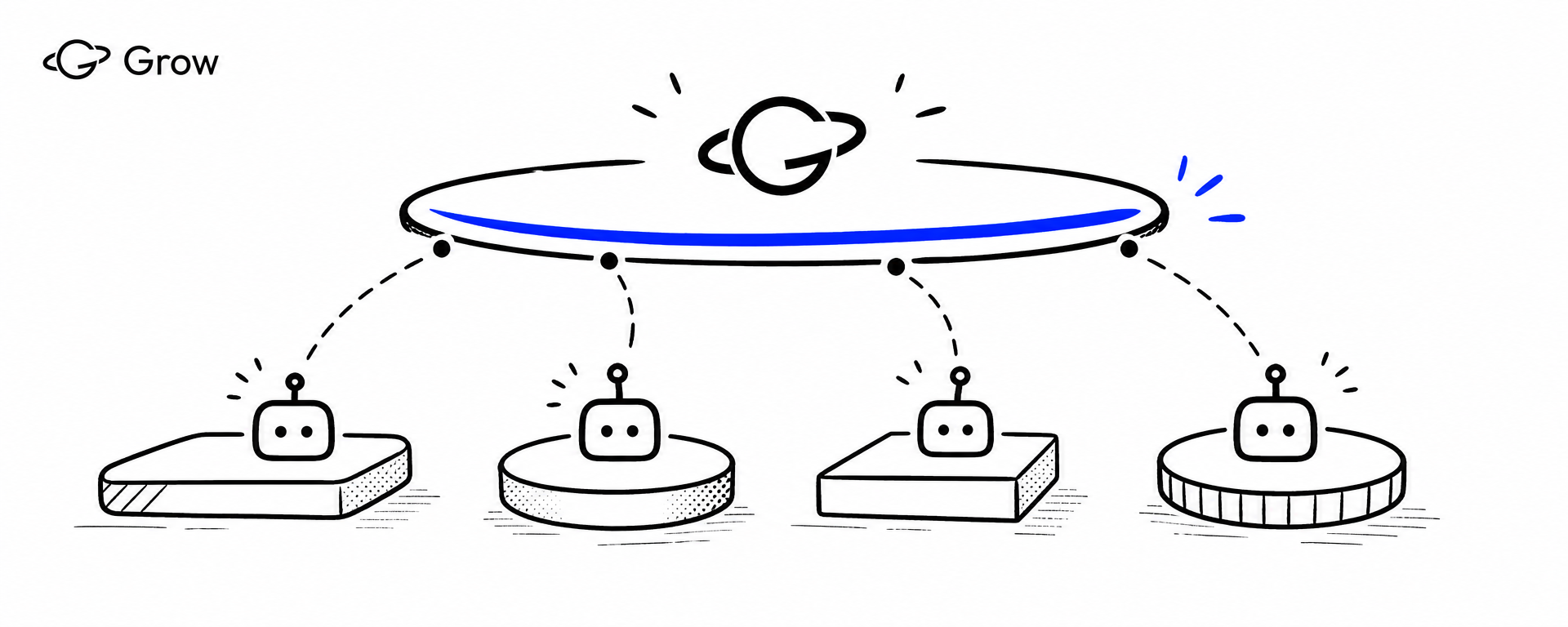
Every major advertising platform now has its own AI agent. Google. Meta. Amazon. And as of this week, TikTok. At first glance, that looks like the end of fragmented ad operations — one agent per platform, the manual grind finally offloaded.
It's the opposite. We didn't eliminate fragmentation. We promoted it.
On June 30, TikTok launched Agentic Hub — a marketplace where advertisers run campaigns through native and third-party AI agents, covering campaign creation, creative, performance analysis, and catalog management. It's the clearest signal yet that agent-operated advertising is the present, not the future. It also quietly moves the real problem up a level: the hub solves execution inside TikTok, and leaves the harder job — orchestrating, remembering, and judging across platforms — exactly where it was.
What TikTok actually launched
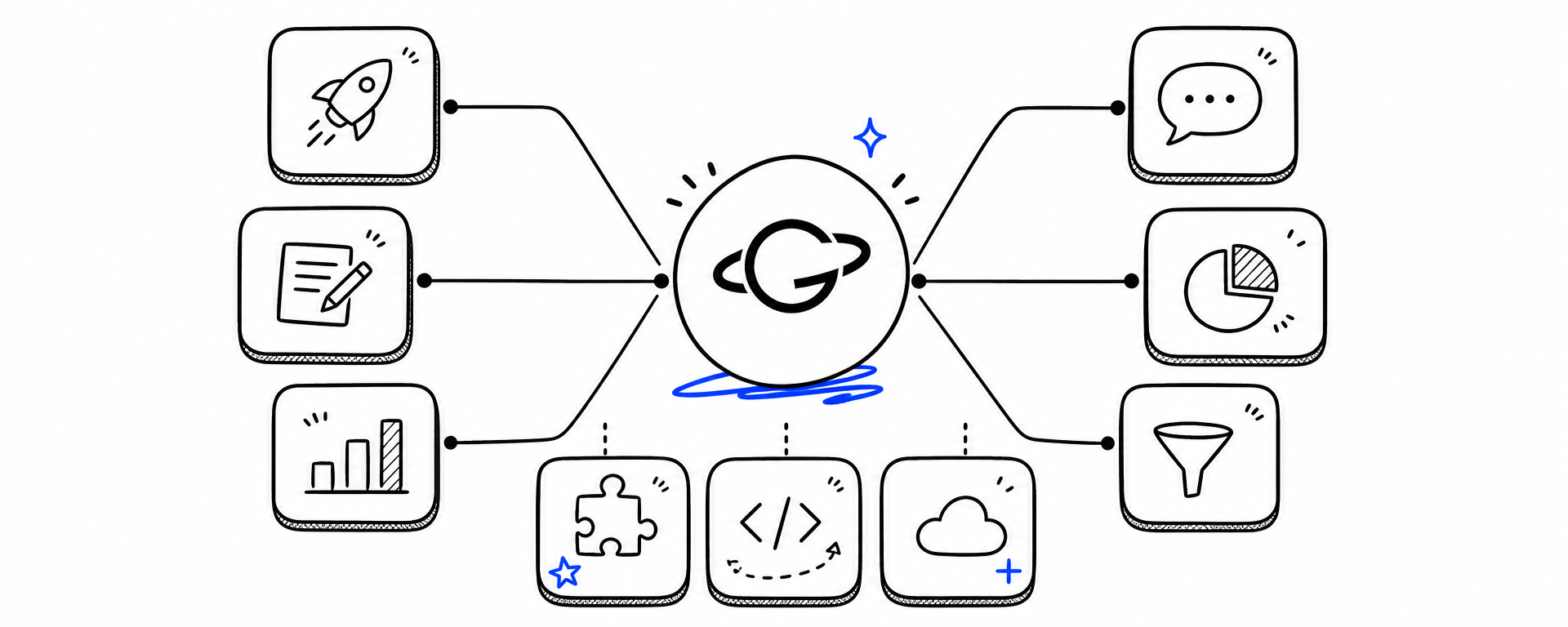
Agentic Hub is a marketplace built on TikTok's Ads Model Context Protocol (MCP). It exposes advertising functions — campaign management, creative, reporting, catalog ops — as structured, production-ready tools that AI agents can call directly. Three ways to use it: ready-made Skills (one-click capabilities from TikTok and partners), custom Skills (developers build proprietary workflows on MCP), or direct connections (plug your own agent straight into TikTok Ads).
Launch partners include HubSpot, Wix, Constant Contact, WorkMagic, Innovid, Kochava, Shoplazza, MADHOUSE, Mobvista, HuntMobi, Cyberklick, Storyverse, BELLNOVA, and AI Rudder (TikTok for Business, June 30 2026; MediaPost, July 2 2026).
And TikTok isn't alone. Amazon's Ads MCP server moved to open beta on February 2, Google shipped its official Ads MCP server on April 28, and Meta launched its Ads AI Connectors on April 29 — with Pinterest and Snap announcing platform MCPs of their own since. TikTok actually shipped its MCP server about a month before Pinterest and Snap did. The race to become the canonical agent-to-platform bridge is on. (Amazon Ads; Google for Developers; Meta for Business)
Give TikTok its due

For an advertiser whose budget lives entirely on TikTok, this is unambiguously good. A platform building a marketplace for agents — not just an API — is declaring that agent-run advertising is the expected path, and it lets a solo seller get AI-assisted campaign creation, creative, and diagnostics with no code and no credentials. Browse the Hub, activate a Skill, go. No caveats needed.
The caveats start the moment your spend leaves one platform.
What it doesn't solve
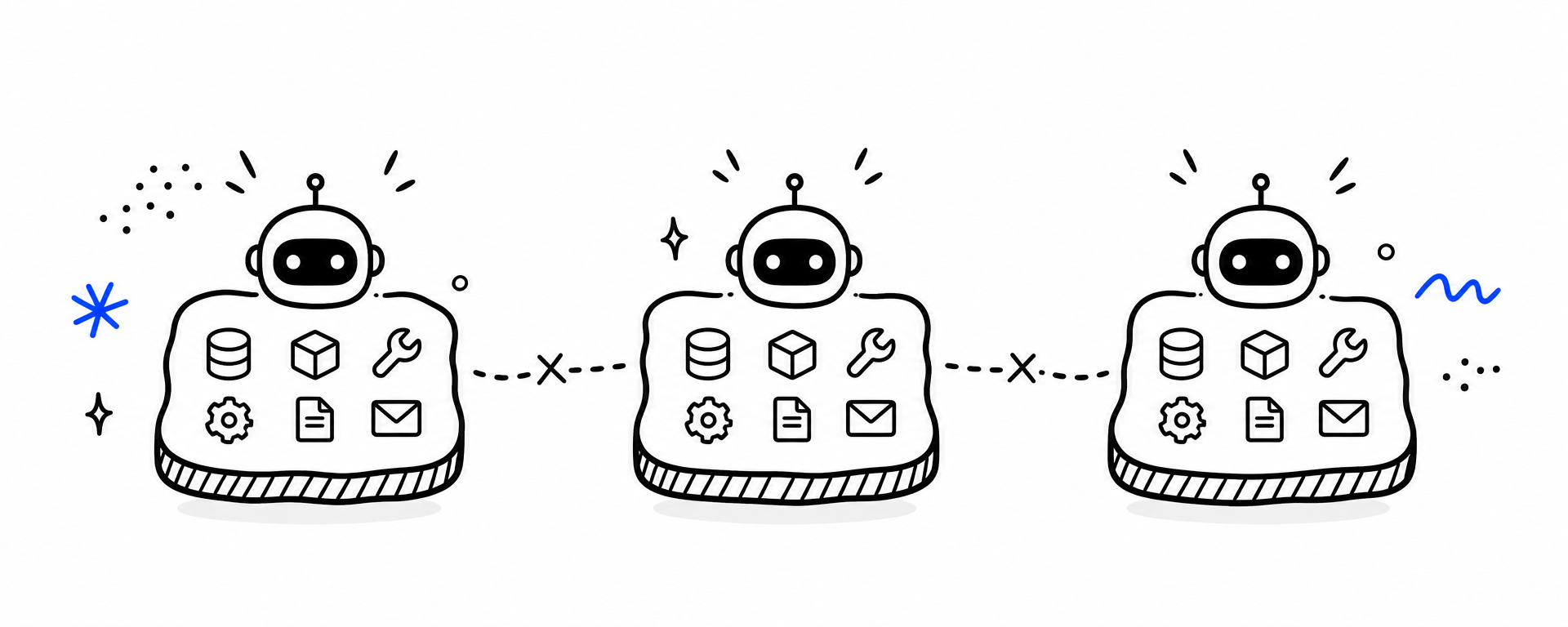
Most advertisers with real budget don't live on one platform. They're running TikTok Shop and Meta conversions and Google Performance Max — different creative, different attribution windows, different targets on each.
TikTok now has an Agentic Hub. Meta has its connectors. Google has its MCP server. Amazon has one too.
The UI disappeared. The silos didn't.
Instead of four dashboards, you now have four agent ecosystems — and each one optimizes for its own platform. None of them knows what the others are doing. The fragmentation didn't go away; it moved up a layer, where it's harder to see.
Three questions your platform agents can't answer
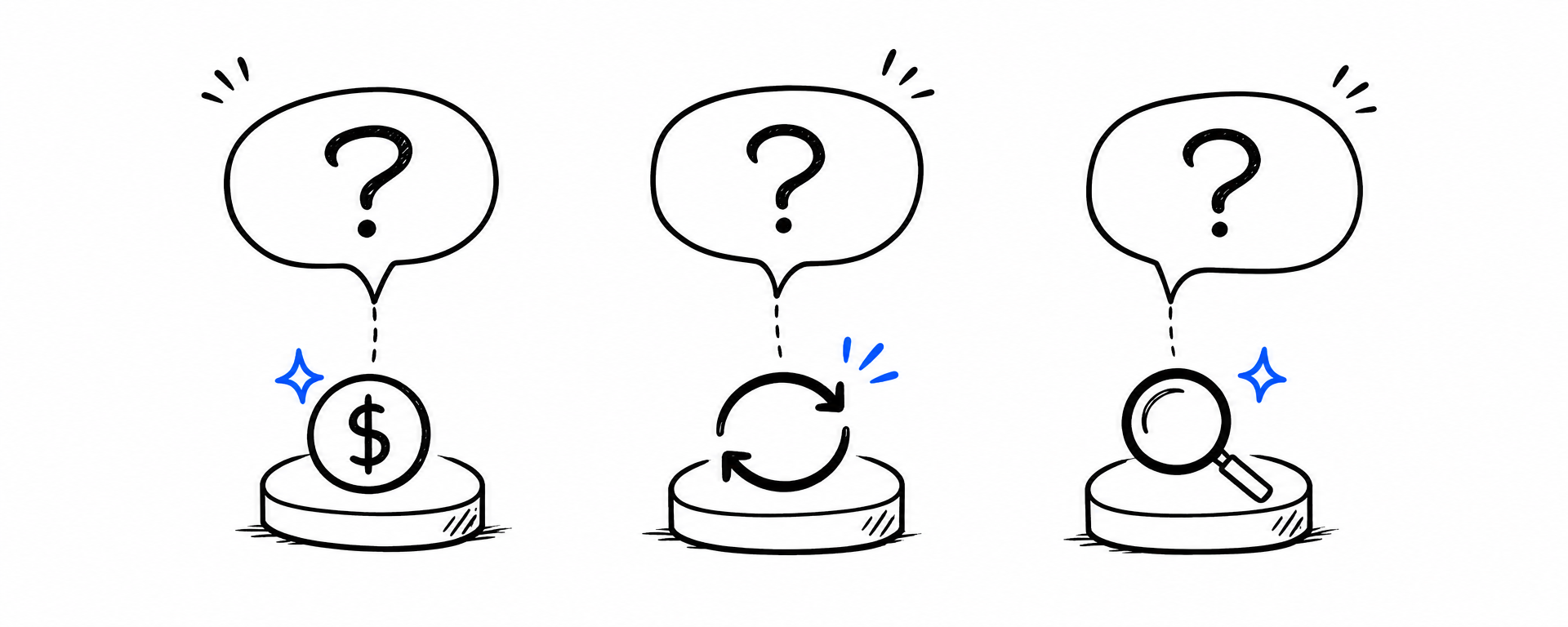
Not a capability checklist — three questions that decide your blended ROAS, and that no single-platform agent can answer by design:
"Does Google deserve tomorrow's dollar more than TikTok?" A TikTok agent optimizes for TikTok. It will never tell you your Meta efficiency is higher on the same audience, because its job is to keep your budget on TikTok — not to hand it to a competitor for your total-portfolio outcome.
"Didn't we already learn this last month?" Most marketplace agents are stateless: run a task, return a result, forget. They don't remember that you burned out Interest X in May, or that your ASC audience went too wide two weeks ago. Without cross-session, cross-platform memory, you pay to re-learn the same lessons.
"CPA jumped 30% — why?" Creative fatigue, audience saturation, a market-wide CPM spike, or your TikTok scale-up cannibalizing Google budget? A platform agent can show you its own metrics. It can't compare them against a cross-platform baseline, and it can't hand you a decision log you can audit later.
(Related: Can a General-Purpose AI Agent Run Your Ads? The 4 Structural Constraints · Growth Tools Just Entered the Execution Era)
The layer that's still missing
Every platform now ships an MCP server, and agents can do things on each platform. That's real progress — and it creates a new coordination problem. Someone has to sit above the platform agents and handle allocation (where the next dollar goes), memory (what worked and failed, across channels and time), guardrails (no live budget changes without a threshold you set and a record you can read), and judgment (diagnosing shifts with context no single-platform agent holds).
That layer doesn't compete with TikTok's Hub. It uses it — alongside Meta's connectors and Google's server — as the execution interface. The hubs are the hands. The orchestration layer is the brain.
What we're building at GrowthGPT
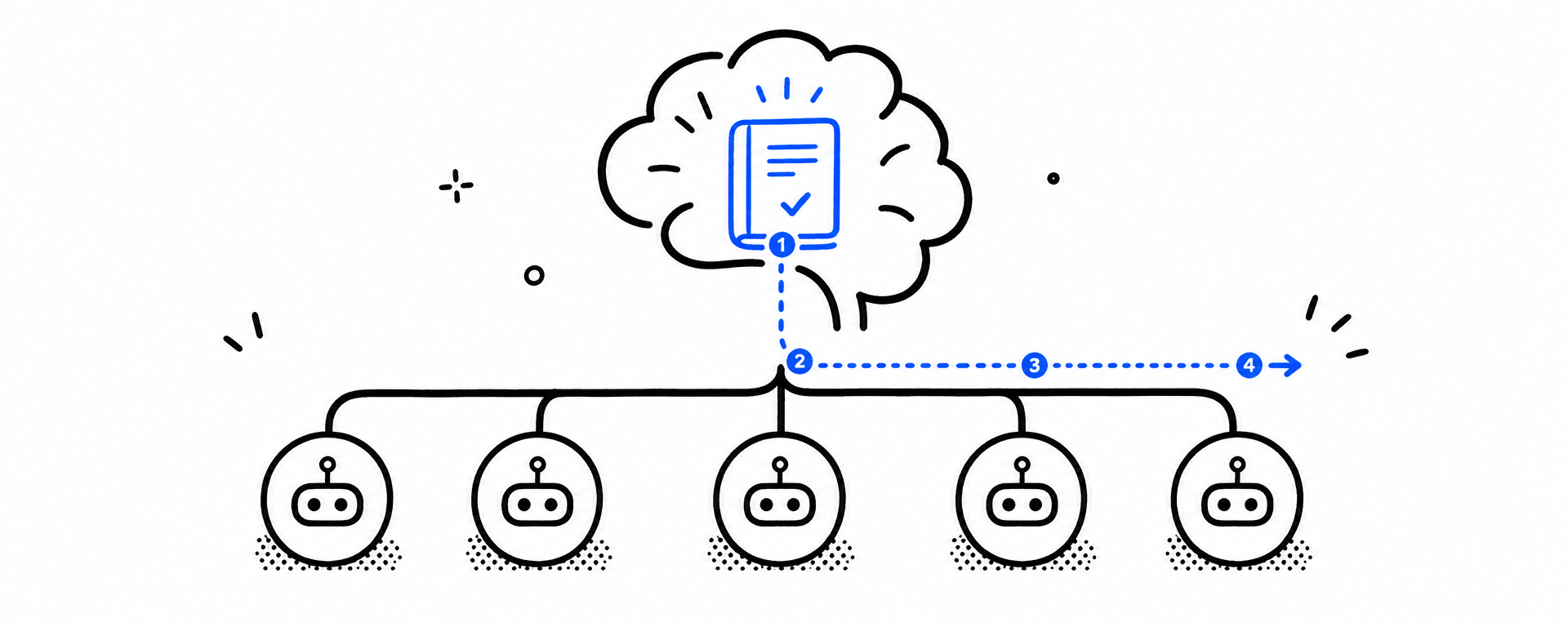
GrowthGPT is that orchestration layer — not another agent in another marketplace, but the cross-platform layer that sits above the platform hubs and uses them:
- Native execution across Meta, Google, and TikTok — real write operations on campaigns, budgets, bids, creatives, and audiences, not read-only.
- Persistent memory (Ledger) — every test, decision, and audience signal carried forward, across platforms and across time.
- Approval gates and an auditable log — you set the limits and thresholds; every action carries a rationale, a timestamp, and the data behind it.
Use TikTok's Skills for creative generation and GrowthGPT for allocation, memory, and cross-platform judgment — they're complementary. But the orchestration layer itself? No platform will build it for you. Their incentive is to keep your budget on their platform, not to help you decide it belongs somewhere else.
The bottom line
TikTok launching Agentic Hub settles one question: agent-operated advertising is the present. Every platform will have an agent store.
The unsettled question — the one that decides who wins multi-platform growth — is who sits above them all. Who remembers what your platform agents forget. Who makes the calls that span channels. Who keeps the audit trail.
Execution is becoming a commodity. Coordination isn't.
(Related: The Best AI Ad Tools in 2026, Picked by Use Case · Madgicx Alternative in 2026: When You Need Cross-Platform Execution · Why No Ad Platform Will Ever Allocate Your Budget Across Channels)
FAQ
What is TikTok's Agentic Hub? A marketplace launched June 30, 2026 where advertisers discover and use AI-powered "Skills" — first-party (TikTok) and third-party (partners like HubSpot, Wix, Shoplazza) — to automate campaign creation, creative, performance analysis, and catalog management on TikTok Ads. It's built on TikTok's Model Context Protocol (MCP).
What is TikTok's MCP (Model Context Protocol)? A standardized bridge that lets AI agents interact with TikTok Ads: agents send structured instructions and MCP translates them into platform actions — without the advertiser writing code or managing API credentials.
Can I run TikTok ads through third-party AI agents now? Yes. With Agentic Hub live, agents from launch partners can create campaigns, manage creatives, analyze performance, and handle catalog operations directly on TikTok Ads via MCP.
Does TikTok's Agentic Hub work across Meta and Google? No. It's single-platform — TikTok Ads only. Meta and Google have their own separate MCP servers and agent ecosystems. Multi-platform advertisers need a separate layer for cross-platform orchestration.
Do I still need a separate ad tool if platforms have their own agents? If you're TikTok-only, the Hub covers a lot. If your spend spans platforms, platform agents optimize locally — they don't coordinate across channels, share memory, or make cross-platform budget calls. That coordination layer sits above the individual hubs.
Is it safe to let AI agents change my live campaigns? It depends on the agent's guardrails: does it require approval before changing live budgets, log every action with rationale, and let you set hard limits? Marketplace agents vary. See Can a General-Purpose AI Agent Run Your Ads? The 4 Structural Constraints.
You've got an agent on every platform now. The missing piece is the one that works across all of them.