The Strange Reason AI Still Can't Replace After Effects
A wall I couldn't get around — and what it taught me about the actual shape of work that AI agents are good at. After Effects is still irreplaceable because nobody has built the engineering cage around it. Ad operations works because we did.
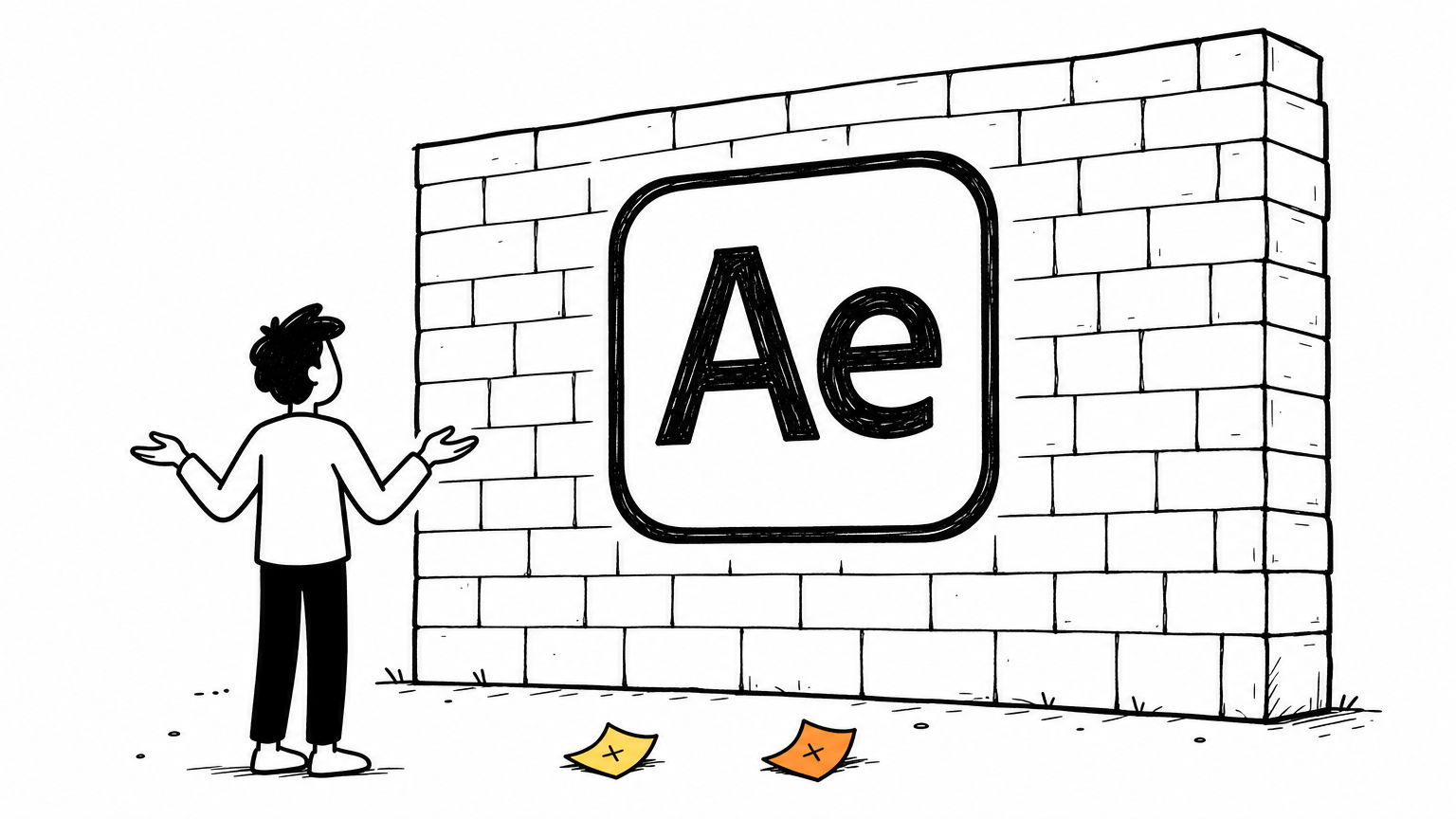
Here's something weird I noticed.
We were shipping a new feature. I wanted a product explainer video — the kind you see on polished SaaS landing pages. Interface panels sliding in, cursor clicking buttons with satisfying feedback, text appearing line by line, subtle sound design. The kind of thing that makes a product feel expensive.
It's 2026. Seedance, Kling, Veo — these models produce stunning footage. A tool that takes a Figma file and outputs a product demo should exist by now.
So I tried. AI video models went first. Beautiful output — until you need precision. Brand colors can't drift. Interface text can't blur. A button needs to animate on a specific frame. The moment you ask for that, the output falls apart. I tried Remotion (too much engineering for a growth lead). I tried CapCut templates (brand colors immediately wrong). I tried platforms that claim to turn design files into motion. Nothing was shippable.
The conclusion: in 2026, the most reliable way to ship a precise product explainer is still After Effects. A tool with a legendary learning curve, nearly thirty years old.
That felt odd enough to think about. Not "why is AE hard?" but: why is After Effects still irreplaceable?
The problem isn't generation
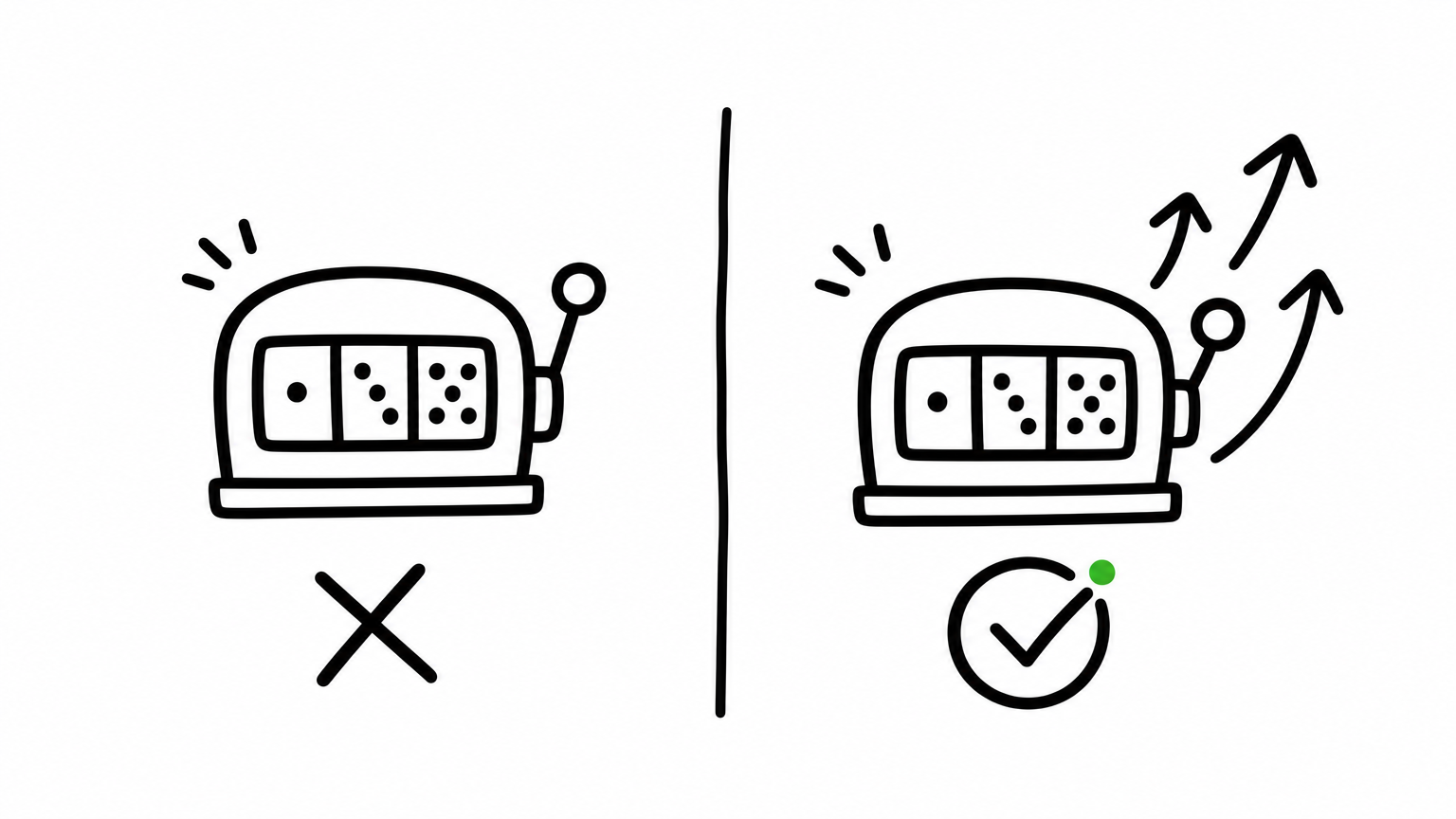
The lazy answer is "models will get there." I don't think that's right. The issue isn't intelligence or capability — it's something about the shape of the work itself.
The first thing I realized was that After Effects work doesn't have a clean scoring system. What makes an AI agent genuinely useful isn't one-shot generation — it's the ability to run a loop: try something, measure the result, adjust, try again. That loop needs a fast, unambiguous signal telling the system whether the output is good or bad. "Does this motion graphic look good?" isn't that kind of signal. It's slow, subjective, contradictory between reviewers. Without a loop that spins, an agent is just a fancy generator — a fundamentally different and weaker thing.
The second thing was about tolerance for randomness. Some work benefits from variance — try many options, keep the winners, discard the rest. Commercial motion graphics aren't that kind of work. A hex code one shade off, a border radius at 10px instead of 8px — that's a client rejection, not creative exploration. In zero-tolerance work, probabilistic output isn't discovery. It's an accident.
And then I realized I'd seen this exact pattern before — but inverted.
Imagine a type of work where the scoring signal is clean, numeric, and comes back the same day. Where the entire methodology is built around running many variants simultaneously, killing losers, and scaling winners. Where probabilistic exploration isn't a bug you work around — it's the core game mechanic.
That's when advertising came to mind.
Every action in ad operations — creating campaigns, setting budgets, defining audiences, adjusting bids — is structured and parameterized. You're calling functions. The scoring signals — ROAS, CTR, CPA — are continuous, numeric, and fast. And the game has always been probabilistic: you don't know which creative will win or which audience will convert, so you run many bets simultaneously and let data decide.
The same property that disqualifies AI from touching After Effects — its probabilistic nature — is exactly what makes it qualified to run ad operations. Same engine. Opposite verdict. Because the two tasks have opposite structures.
That's why GrowthGPT does what it does. We didn't stumble into advertising. Advertising is the shape that fits an agent's strengths almost perfectly.
(We wrote a longer piece on the gap between AI copywriting and agentic growth — worth reading if this resonates.)
The line doesn't run between "ads" and "design"
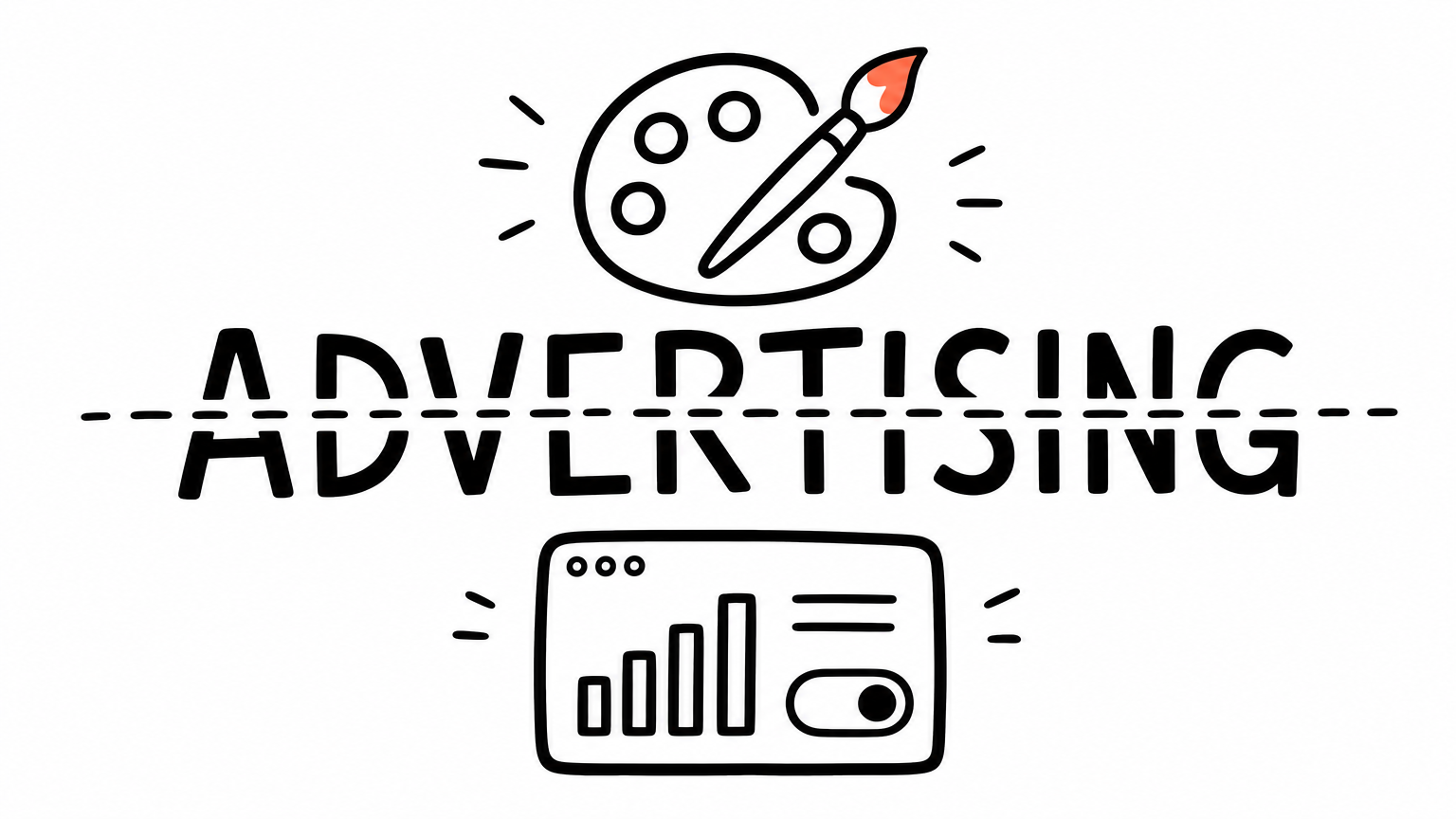
It would be clean to draw the boundary at "AI is good at ads, bad at design." But that's too coarse. The boundary actually runs through the middle of advertising itself.
Ad creative production — making a precise brand video, designing a hero image where colors can't be wrong — is the same type of problem as After Effects. Subjective, continuous, fuzzy feedback, near-zero tolerance. That's one side.
Ad operations — budget allocation, audience targeting, bid management, test orchestration — is the other side. That's where agents thrive.
GrowthGPT covers creative generation (AIGC ad images and video variants) — precision brand motion (the After Effects kind) just isn't where we focus. Ad-operations orchestration is where the agent shines.
Acknowledging this isn't retreat. It's drawing an honest map.
Most video tools stop at export
We're about to ship video generation capabilities ourselves. The obvious question: why, when Higgsfield, LibTV, and others have more models, more complete workflows, more case studies, and a head start?
On models, we have zero advantage. Everyone uses the same public models — Seedance, Veo, Kling, Sora. Model access is commodity. I won't pretend otherwise.
But go back to the After Effects insight.
I said creative production is an "AE-type problem" because it lacks a clean feedback loop. Ad creative is special, though. Its reward function doesn't live on the production side — it lives on the distribution side. Once creative hits real traffic, ROAS, CTR, and conversion rate come back. Continuous, numeric, fast enough to learn from.
Only after creative runs through real traffic do you learn which hook won, which first three seconds held attention, which variant deserves more spend.
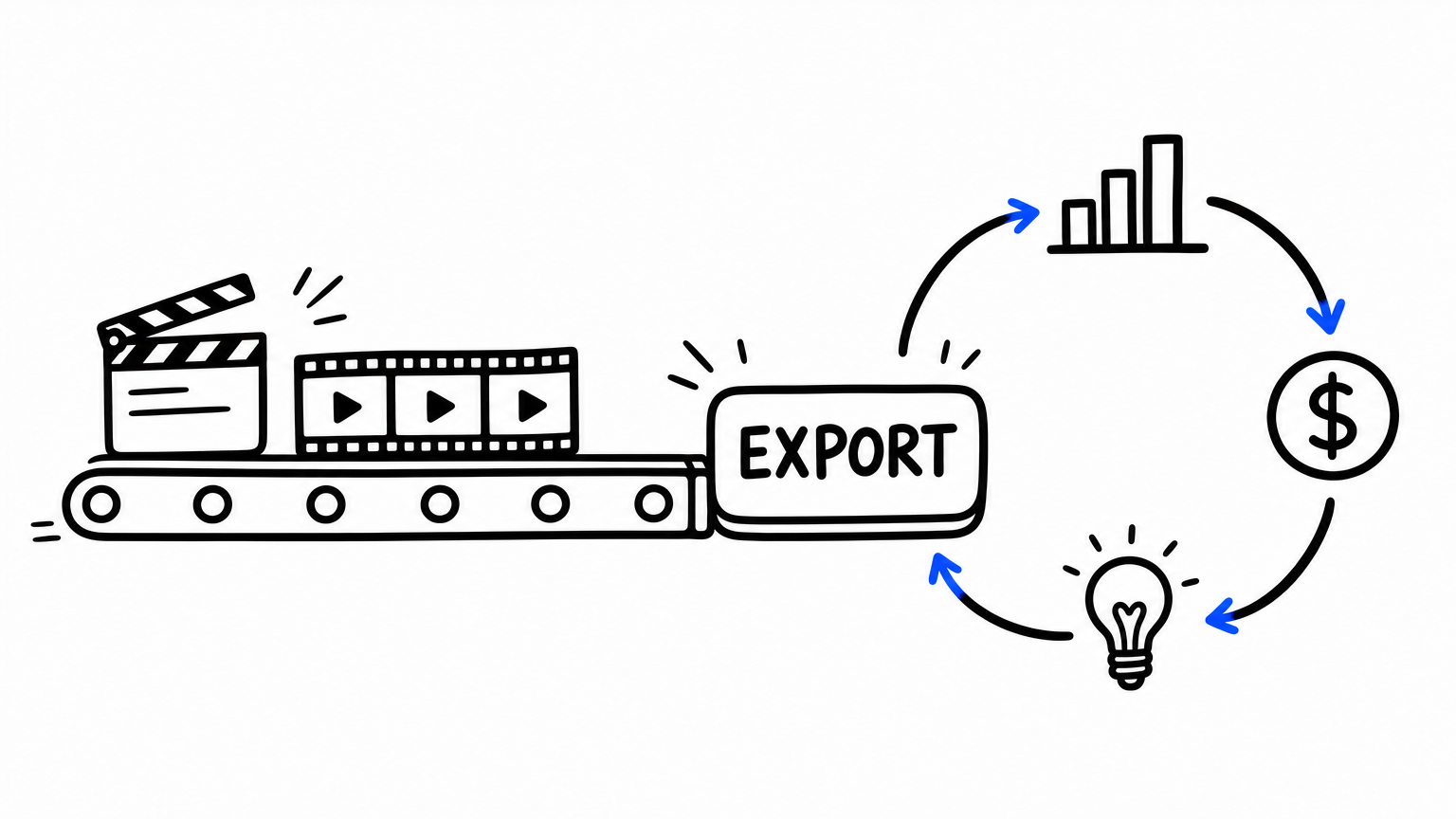
Here's what I noticed about the current generation of video tools. LibTV, Higgsfield — they've built excellent production workflows. Script, storyboard, generation, editing. Solid and efficient. But they stop at the export button. What happens after — how the asset performs in market, what the data says, what direction to take the next round — that's outside their loop.
They close the production loop. They don't close the learning loop.
The loop that actually determines value in advertising isn't production. It's this:
Generate → Deploy → Measure real performance → Learn winner patterns → Generate next round
Video generation is one step in that loop — and it's the commodity step. The step everyone can buy. What you can't buy off the shelf is the system that continuously feeds real market signals back into the next creative decision.
Generation is commodity. Continuous learning is the moat.
(For a more systematic breakdown of this loop, see this piece on growth systems.)
Back to the wall
After Effects is still irreplaceable not because we're waiting for a stronger model. It's because nobody has injected brand constraints and design-file structure into the generation process, then built a verification layer on the output side. That's an engineering challenge, not a model upgrade.
GrowthGPT runs ad operations for the same structural reason: we spent a long time building the orchestration and verification scaffolding on top of Meta, TikTok, and Google's APIs.
Both cases follow the same principle. The moat isn't in the model. It's in the engineering that constrains a probabilistic system into deterministic guardrails.
Models determine where a system starts. Feedback loops determine whether it keeps getting better.
After Effects is still irreplaceable because nobody has built that cage for motion graphics yet. Ad operations work because we did.