Retention Is What Happens When Agents Remember
Most AI marketing agents forget everything after each campaign. Retention isn't compounding because it's not a personalization problem — it's a memory problem.
The marketing industry has finally agreed on something: retention matters more than acquisition.
But most AI marketing agents still operate as if every campaign is a first date.
They generate copy, pick audiences, send emails, optimize bids — then forget everything. Next campaign? Blank slate.
This is why so many "AI-powered" retention programs never compound. They're not broken. They're just amnesiac.
Retention isn't a personalization problem. It's a memory problem.
Personalization Is the Output. Memory Is the Engine.
What does real retention actually require?
Knowing a customer bought running shoes in February. Knowing they browsed trail gear in April. Knowing they ignored two discount emails but clicked a "new arrivals" notification last week. Knowing their purchase cycle stretched from 6 weeks to 10. Knowing educational content outperforms promos for this cohort.
If your agent starts from a blank prompt every time, none of that exists.
It can still write a beautiful email. It still looks personalized. But it's personalized to a snapshot, not a relationship.
A stateless agent writes a better greeting card to the same stranger every time. That's not compounding retention — it's acquisition theater in a personalization costume.
The Real Divide: Stateful vs. Stateless
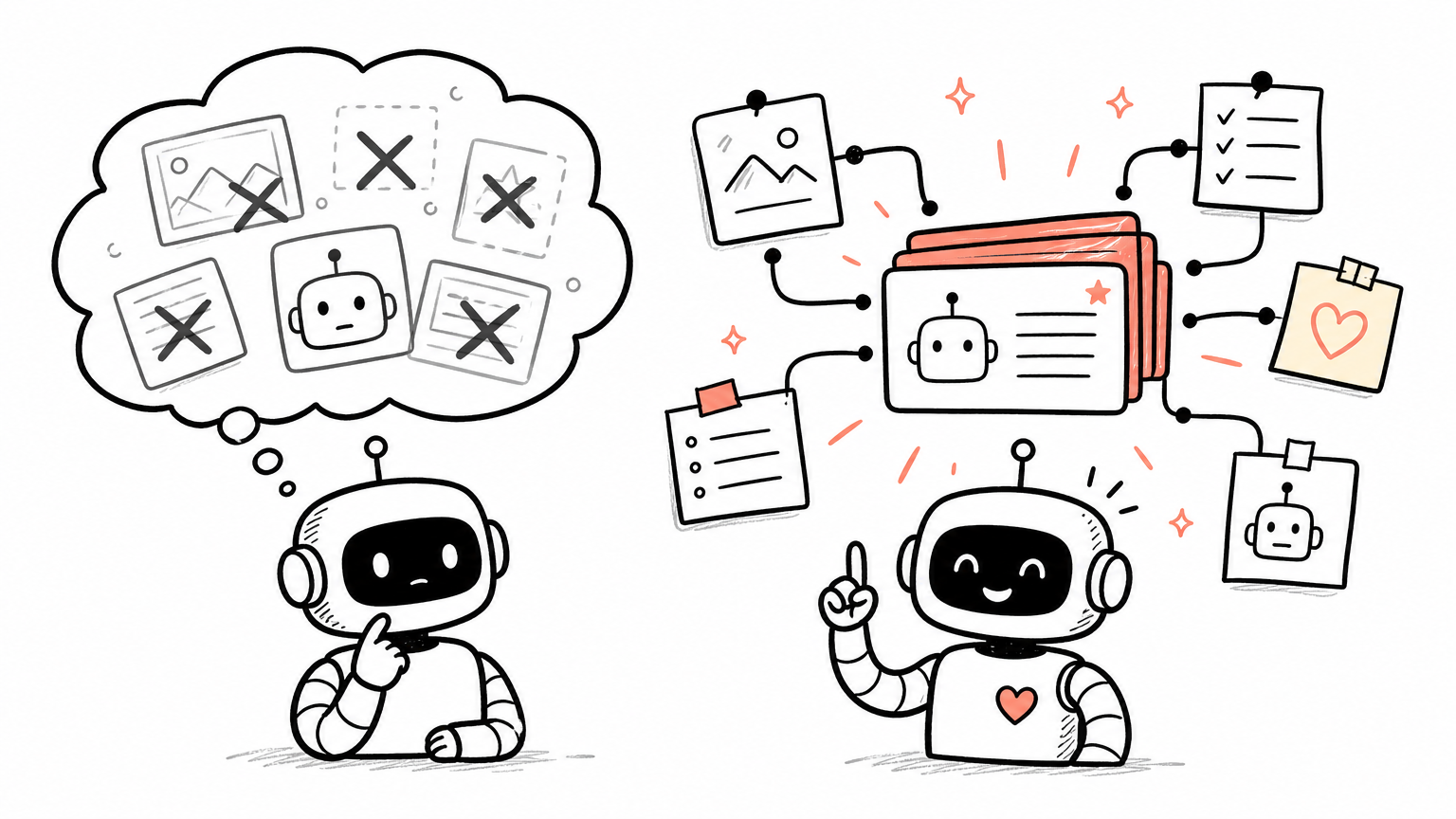
The next wave of marketing agents won't be defined by who writes the best copy.
It'll be defined by who remembers.
Stateless agents treat every campaign as an isolated event. They generate from the current prompt, the current data, and nothing else. Whatever happened last time doesn't carry over.
Stateful agents carry context across campaigns, channels, and time. They know what was tried, what worked, what fatigued, what bombed. Previous outcomes shape the next move.
Execution is the action. Memory is what closes the loop.
Why Memory Compounds Loyalty
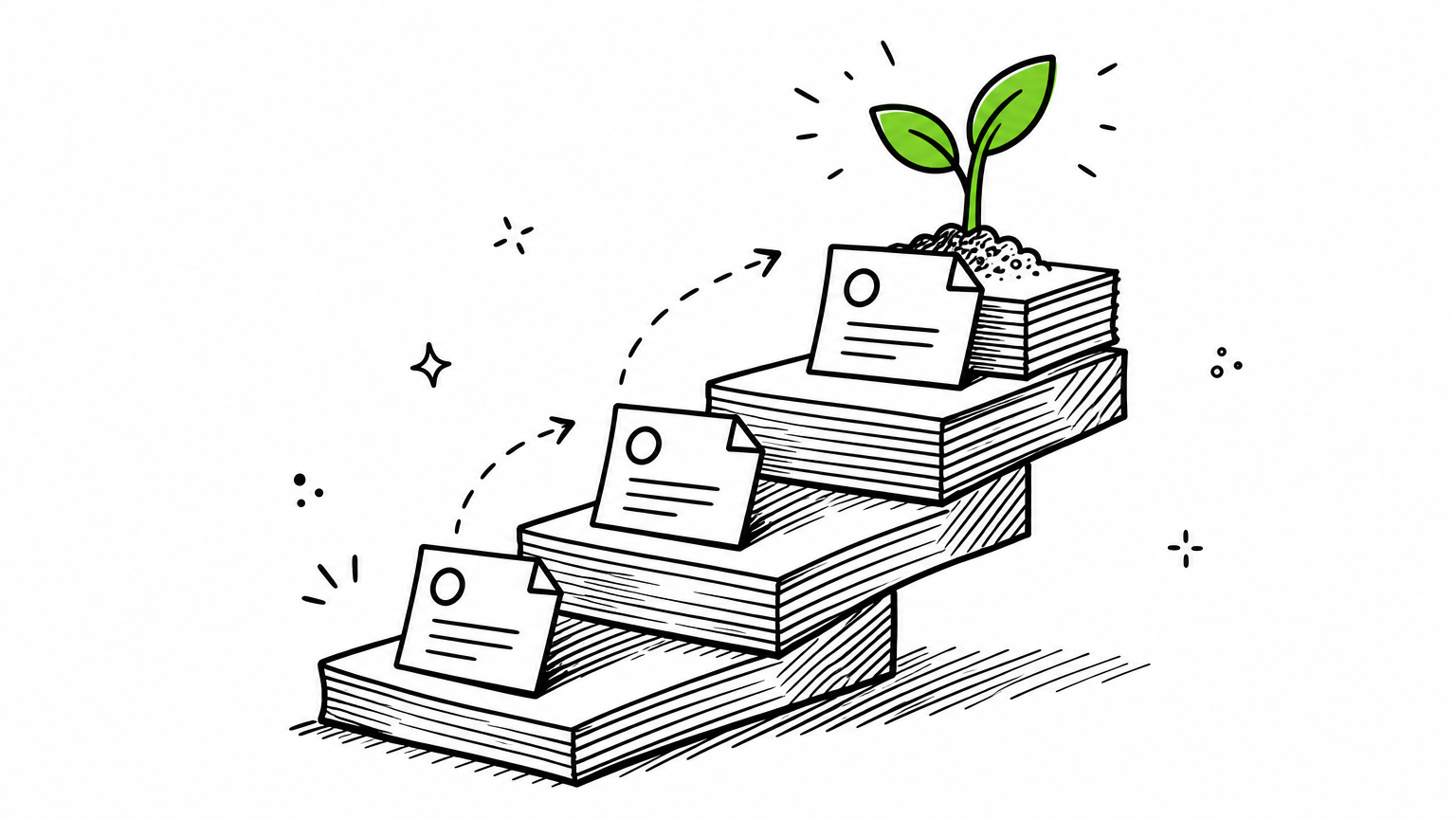
Brands that remember build advantages that stack:
Better relevance — not because the AI got smarter overnight, but because context accumulated.
Less creative fatigue — the system tracks what's been shown, what's been ignored, and stops recycling dead assets.
Higher trust — people notice when a brand evolves its communication instead of re-running the same playbook.
Tighter spend — a system with memory can tell the difference between someone drifting and someone gone. That changes how you allocate.
A stateless system can nail Day 1. But Day 30 is still a cold start. Day 90 is still a cold start. Nothing stacks.
How We Think About This at GrowthGPT
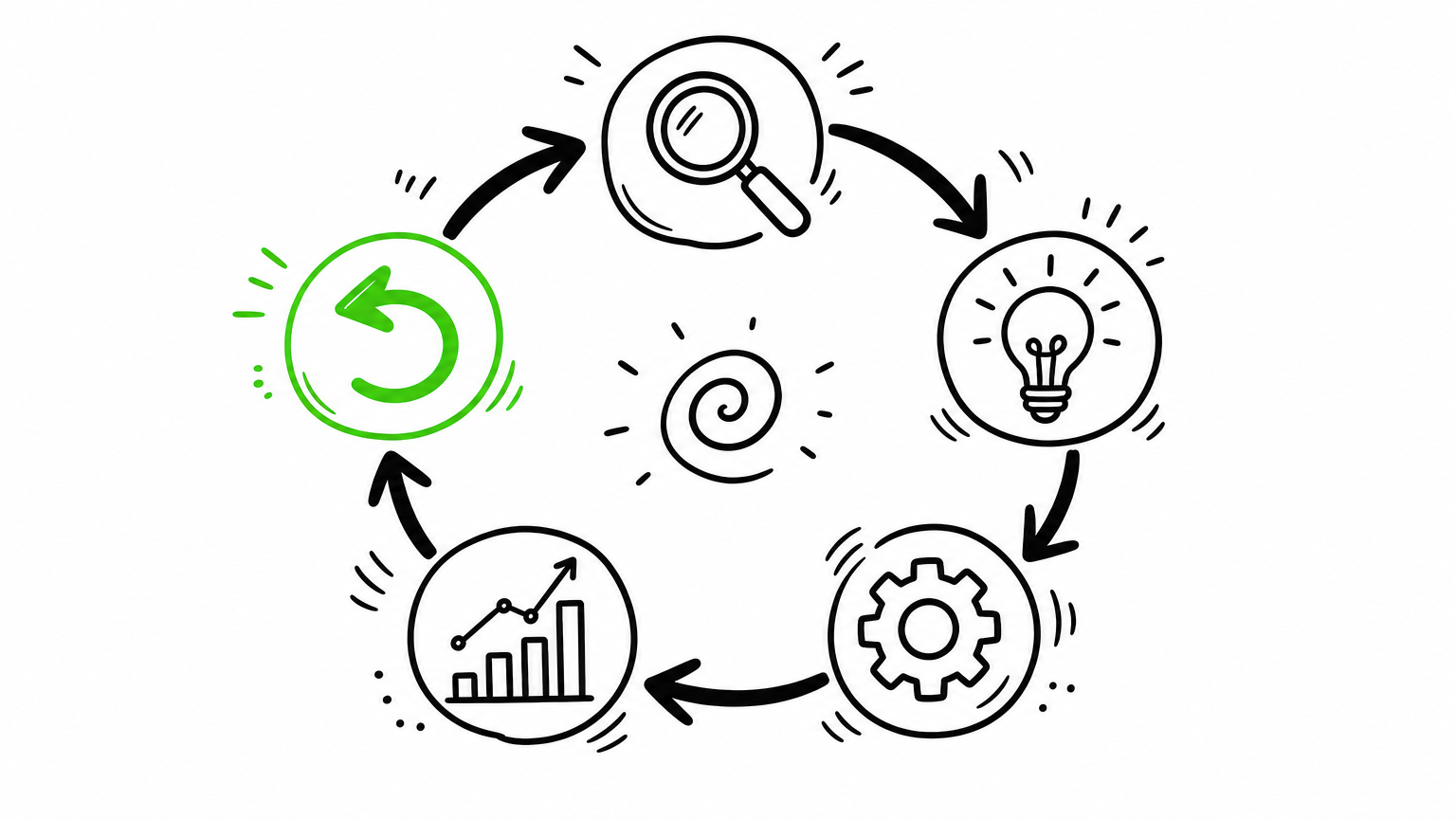
We built GrowthGPT on one bet:
Growth compounds only when operational memory compounds.
Every recommendation connects to what happened before. Not just data — operational context. Which creative fatigued. Which scaling move stalled. Which bid strategy worked for three weeks then stopped. What the automated rules actually did and whether the outcomes justified them.
That memory lives in the growth-ops layer:
- Meta, Google, TikTok performance history
- Budget and bid changes over time
- Creative rotation patterns
- Retargeting behavior
- LTV-informed decisions
- Automated rules and their real outcomes
The point isn't prettier outputs. It's not starting over every time.
Why Human Review Still Matters
The human's job isn't to babysit the agent.
It's to calibrate its memory.
Did it read last month's results right? Is the strategic direction it inferred still valid? Are the guardrails still aligned with the brand?
When those answers stabilize at "yes," trust compounds. The human stops reviewing individual actions and starts setting strategic boundaries.
The Standard Going Forward
Retention isn't what happens when an agent sends the right message once.
It's what happens when it remembers why the last message worked.
Ask any marketing AI vendor one question:
After the campaign ships, what does the system carry forward?
If the answer is "nothing," you're paying for execution without learning. That saves time. It won't build compounding growth.